Four engagements · ML, federated learning, human-in-the-loop
I've been designing the human side of AI systems since 2021 — before the current wave — with a first encounter in 2019, when Zalon's data science team started experimenting with ML recommendations. The pattern has held ever since: AI speeds up professional users; humans stay in control.
Zalon by Zalando — ML outfit recommendations · 2019
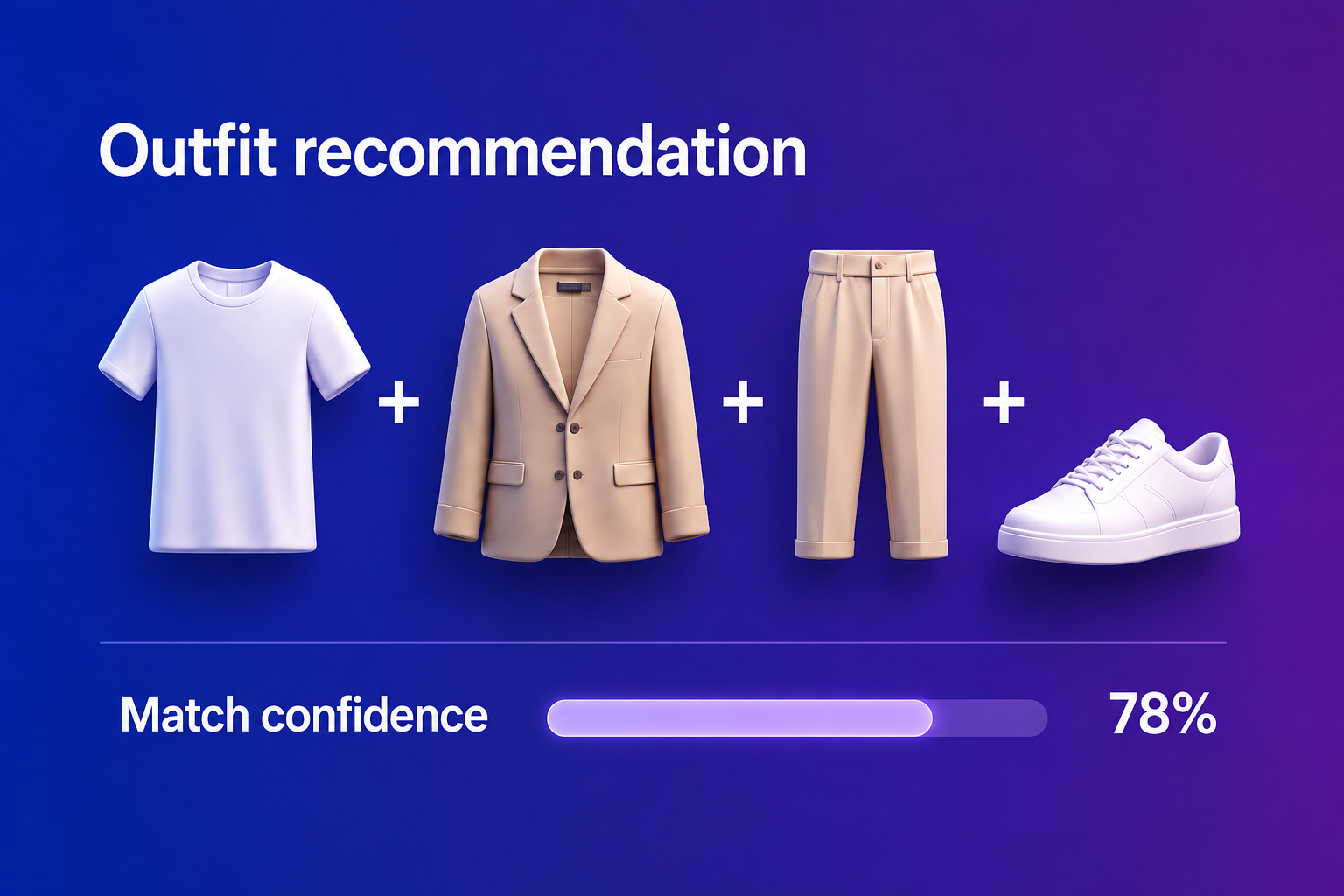
Zalon built a data science team to experiment with outfit recommendations for professional stylists: add a white t-shirt to a customer's box, and the system suggests the full outfit around it. The goal: stylist efficiency and scale, without replacing stylist judgement. As the design lead for all Zalon platforms, I was the key design touchpoint for the experiment, working directly with the Head of Data Science.
Sherpa.ai — Federated machine learning platform · 2021
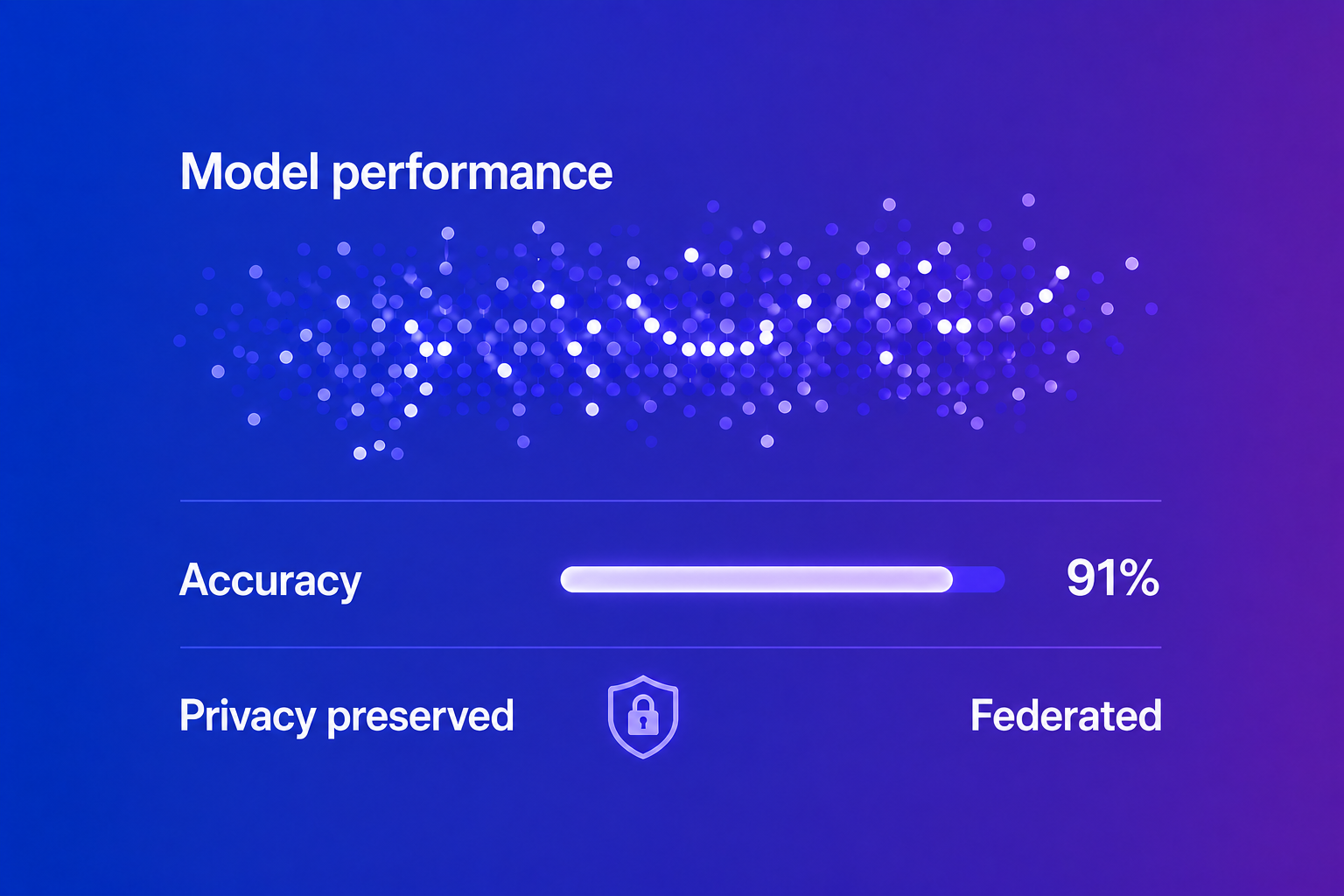
A short, early engagement with one of the first federated ML platforms — designing onboarding and B2B product experience for a technology most designers hadn't yet met. The core challenge: making complex, unpredictable ML behaviour transparent and controllable for professional users. A practical view on AI UX that predates the current wave.
Verbally — ML-driven behaviour change · 2022
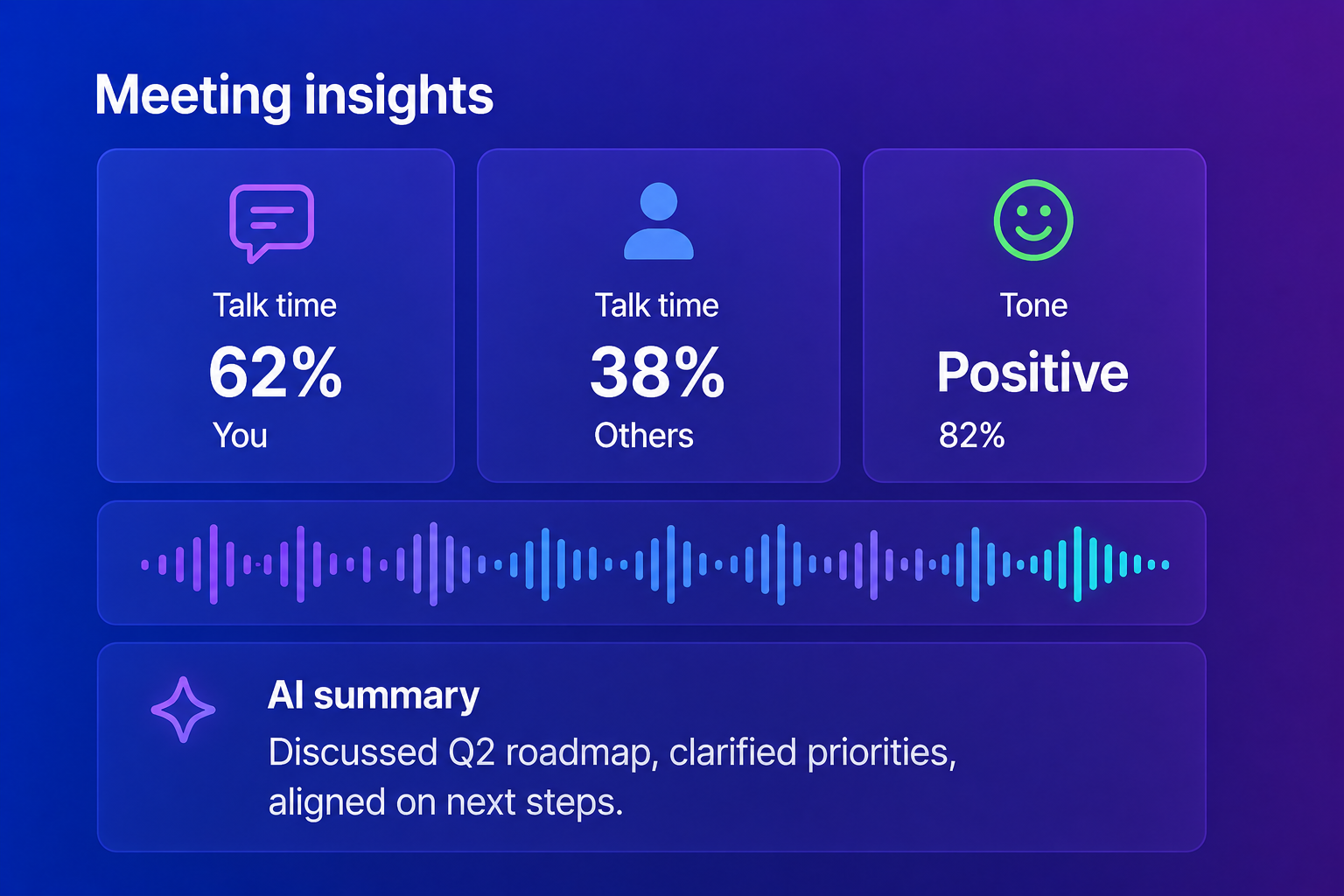
Verbally is a Berlin-based machine learning startup improving meeting efficiency through nudges. I helped the team shape their Chrome extension: how ML-driven nudges should appear, when they should appear, and how they earn a place in someone's daily workflow instead of becoming noise.
Oska Health — Human-in-the-loop AI in a regulated environment · 2024–25
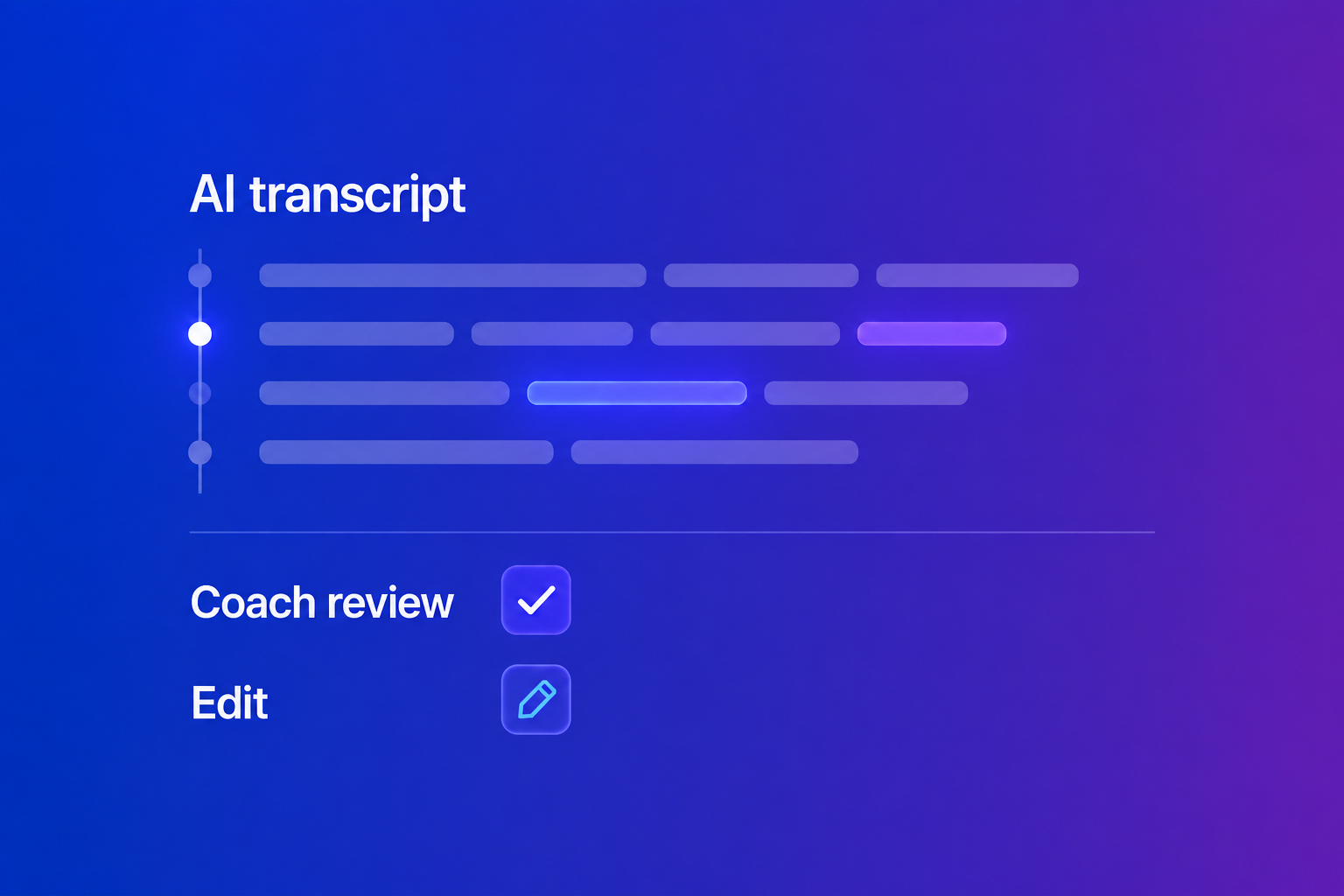
In a certified medical device, AI comes with a hard rule: humans stay in the loop. Coaches were losing time to handwritten notes typed up after every patient call. We built an AI-assisted transcription and note-taking tool with human-in-the-loop review. It cut admin time significantly and opened the path to a higher coach-to-patient ratio.
Across four engagements — machine learning recommendations, federated ML, behavioural nudging, and regulated human-in-the-loop AI — the through-line is trust: making intelligent systems transparent, reviewable, and genuinely useful to the people working with them.
Let's work together
/
Designing for AI since 2021
Four engagements · ML, federated learning, human-in-the-loop
I've been designing the human side of AI systems since 2021 — before the current wave — with a first encounter in 2019, when Zalon's data science team started experimenting with ML recommendations. The pattern has held ever since: AI speeds up professional users; humans stay in control.
Zalon by Zalando — ML outfit recommendations · 2019
Zalon built a data science team to experiment with outfit recommendations for professional stylists: add a white t-shirt to a customer's box, and the system suggests the full outfit around it. The goal: stylist efficiency and scale, without replacing stylist judgement. As the design lead for all Zalon platforms, I was the key design touchpoint for the experiment, working directly with the Head of Data Science.
Sherpa.ai — Federated machine learning platform · 2021
A short, early engagement with one of the first federated ML platforms — designing onboarding and B2B product experience for a technology most designers hadn't yet met. The core challenge: making complex, unpredictable ML behaviour transparent and controllable for professional users. A practical view on AI UX that predates the current wave.
Verbally — ML-driven behaviour change · 2022
Verbally is a Berlin-based machine learning startup improving meeting efficiency through nudges. I helped the team shape their Chrome extension: how ML-driven nudges should appear, when they should appear, and how they earn a place in someone's daily workflow instead of becoming noise.
Oska Health — Human-in-the-loop AI in a regulated environment · 2024–25
In a certified medical device, AI comes with a hard rule: humans stay in the loop. Coaches were losing time to handwritten notes typed up after every patient call. We built an AI-assisted transcription and note-taking tool with human-in-the-loop review. It cut admin time significantly and opened the path to a higher coach-to-patient ratio.
Across four engagements — machine learning recommendations, federated ML, behavioural nudging, and regulated human-in-the-loop AI — the through-line is trust: making intelligent systems transparent, reviewable, and genuinely useful to the people working with them.
Let's work together
/
Designing for AI since 2021
Four engagements · ML, federated learning, human-in-the-loop
I've been designing the human side of AI systems since 2021 — before the current wave — with a first encounter in 2019, when Zalon's data science team started experimenting with ML recommendations. The pattern has held ever since: AI speeds up professional users; humans stay in control.
Zalon by Zalando — ML outfit recommendations · 2019
Zalon built a data science team to experiment with outfit recommendations for professional stylists: add a white t-shirt to a customer's box, and the system suggests the full outfit around it. The goal: stylist efficiency and scale, without replacing stylist judgement. As the design lead for all Zalon platforms, I was the key design touchpoint for the experiment, working directly with the Head of Data Science.
Sherpa.ai — Federated machine learning platform · 2021
A short, early engagement with one of the first federated ML platforms — designing onboarding and B2B product experience for a technology most designers hadn't yet met. The core challenge: making complex, unpredictable ML behaviour transparent and controllable for professional users. A practical view on AI UX that predates the current wave.
Verbally — ML-driven behaviour change · 2022
Verbally is a Berlin-based machine learning startup improving meeting efficiency through nudges. I helped the team shape their Chrome extension: how ML-driven nudges should appear, when they should appear, and how they earn a place in someone's daily workflow instead of becoming noise.
Oska Health — Human-in-the-loop AI in a regulated environment · 2024–25
In a certified medical device, AI comes with a hard rule: humans stay in the loop. Coaches were losing time to handwritten notes typed up after every patient call. We built an AI-assisted transcription and note-taking tool with human-in-the-loop review. It cut admin time significantly and opened the path to a higher coach-to-patient ratio.
Across four engagements — machine learning recommendations, federated ML, behavioural nudging, and regulated human-in-the-loop AI — the through-line is trust: making intelligent systems transparent, reviewable, and genuinely useful to the people working with them.
Let's work together
/
Designing for AI since 2021
Four engagements · ML, federated learning, human-in-the-loop
I've been designing the human side of AI systems since 2021 — before the current wave — with a first encounter in 2019, when Zalon's data science team started experimenting with ML recommendations. The pattern has held ever since: AI speeds up professional users; humans stay in control.
Zalon by Zalando — ML outfit recommendations · 2019
Zalon built a data science team to experiment with outfit recommendations for professional stylists: add a white t-shirt to a customer's box, and the system suggests the full outfit around it. The goal: stylist efficiency and scale, without replacing stylist judgement. As the design lead for all Zalon platforms, I was the key design touchpoint for the experiment, working directly with the Head of Data Science.
Sherpa.ai — Federated machine learning platform · 2021
A short, early engagement with one of the first federated ML platforms — designing onboarding and B2B product experience for a technology most designers hadn't yet met. The core challenge: making complex, unpredictable ML behaviour transparent and controllable for professional users. A practical view on AI UX that predates the current wave.
Verbally — ML-driven behaviour change · 2022
Verbally is a Berlin-based machine learning startup improving meeting efficiency through nudges. I helped the team shape their Chrome extension: how ML-driven nudges should appear, when they should appear, and how they earn a place in someone's daily workflow instead of becoming noise.
Oska Health — Human-in-the-loop AI in a regulated environment · 2024–25
In a certified medical device, AI comes with a hard rule: humans stay in the loop. Coaches were losing time to handwritten notes typed up after every patient call. We built an AI-assisted transcription and note-taking tool with human-in-the-loop review. It cut admin time significantly and opened the path to a higher coach-to-patient ratio.
Across four engagements — machine learning recommendations, federated ML, behavioural nudging, and regulated human-in-the-loop AI — the through-line is trust: making intelligent systems transparent, reviewable, and genuinely useful to the people working with them.
Let's work together
/